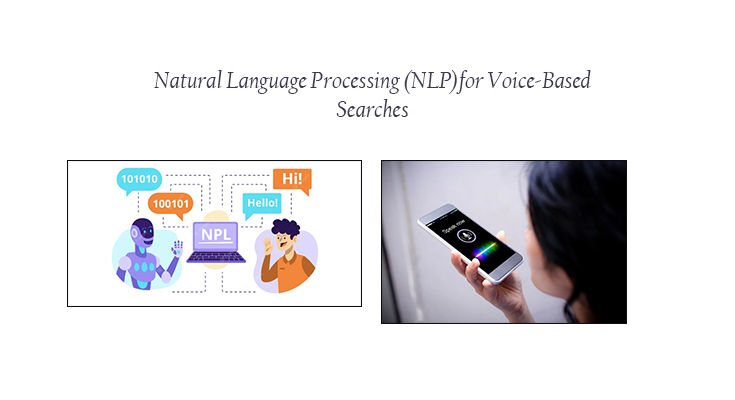
Natural Language Processing (NLP)for Voice-Based Searches in a Library Setting: A Powerful Guide with 10 Smart Insights
Natural Language Processing (NLP) for voice-based searches in a library setting is no longer a futuristic idea—it’s happening right now. Libraries are evolving from quiet book repositories into smart information hubs. Users today don’t just type keywords; they speak naturally and expect accurate results. That’s where NLP steps in.
In simple terms, NLP helps computers understand human language the way people actually speak. When combined with voice-based search, it allows library users to ask questions like, “Do you have books on urban geography?” instead of typing complex queries. As a result, libraries become more user-friendly, accessible, and efficient.
This shift is especially important for academic and public libraries, where diverse users have different levels of search skills. Voice-based searches powered by NLP reduce barriers and make information discovery smoother.
What Is Natural Language Processing (NLP)?
Natural Language Processing is a branch of artificial intelligence that enables computers to read, understand, and respond to human language. Unlike traditional keyword matching, NLP focuses on meaning, intent, and context.
Key functions of NLP include:
- Tokenization (breaking sentences into words)
- Part-of-speech tagging
- Named entity recognition
- Sentiment and intent analysis
In a library setting, NLP allows systems to understand queries like “books by Michael Pacione on cities” even if the exact catalog terms differ. That’s a game changer.
Understanding Voice-Based Search Technology
Voice-based search converts spoken language into text using speech recognition. Then NLP processes that text to identify what the user actually wants. Finally, the system retrieves the most relevant results.
Popular voice technologies such as Google Assistant and Siri use similar processes. Libraries can adopt scaled-down, privacy-focused versions of these tools for OPACs and discovery systems.
Voice-based search feels natural. Let’s be honest—people like talking more than typing. That’s why its adoption is growing fast.
Evolution of Search in Libraries
From Card Catalogs to OPACs
Libraries have always adapted to technology. Card catalogs gave way to Online Public Access Catalogs (OPACs). Later, discovery layers and federated search systems appeared.
Each step aimed to make searching easier. However, most systems still relied on exact keywords. Users had to “think like a librarian” to get results.
Shift Toward Conversational Search
Now, the focus has shifted. Users expect systems to understand them. NLP for voice-based searches in a library setting supports conversational queries, follow-up questions, and even vague requests.
This evolution aligns libraries with modern search behavior.
Why Voice-Based Search Matters in Libraries
Changing User Behavior
Students and researchers are used to voice search on their phones. When library systems feel outdated, users turn to Google instead. Voice-enabled library search helps bring users back.
People now ask full questions, not keywords. Libraries must meet these expectations to stay relevant.
Accessibility and Inclusivity
Voice-based searches significantly help:
- Visually impaired users
- Users with limited typing skills
- Elderly patrons
- Users searching in a second language
By implementing NLP-driven voice search, libraries promote equity and inclusion.
Core Components of NLP in Voice Search
Speech Recognition
Speech recognition converts spoken words into text. Accuracy is critical, especially in noisy library environments or with different accents.
Modern systems use machine learning models trained on diverse datasets to improve performance.
Natural Language Understanding (NLU)
NLU interprets the meaning behind the words. For example:
- “Books on federalism in Pakistan”
- “Show me journals about transport policy”
Both queries require understanding subject, format, and context.
Information Retrieval
Finally, the system maps the interpreted query to bibliographic records, metadata, and indexes. NLP enhances this step by using synonyms, subject headings, and semantic relationships.
How NLP Improves Library Discovery
Semantic Search and Context Awareness
Semantic search goes beyond keywords. It understands relationships between concepts. For instance, “city planning” and “urban development” are closely related.
NLP helps discovery systems rank results more intelligently. Users find what they need faster—and that’s a win.
Multilingual and Local Language Support
In multilingual societies, this is huge. NLP can support searches in local languages and accents. Libraries serving diverse communities benefit greatly.
For more on language standards, see the W3C Speech Recognition overview.
Practical Applications in Library Settings
Voice-Enabled OPACs
Voice-enabled OPACs allow users to speak their queries at kiosks or through mobile apps. Results appear instantly, often with suggestions.
This approach is intuitive and engaging.
Virtual Reference Assistants
Chatbots with voice capabilities can answer common questions like:
- Library hours
- Book availability
- Renewal requests
These assistants reduce staff workload while improving service quality.
Smart Discovery Layers
Discovery platforms integrated with NLP can support natural queries across books, journals, repositories, and databases—all at once.
Challenges of Implementing NLP in Libraries
Technical and Financial Constraints
Let’s be real—NLP systems require investment. Hardware, software, and expertise can be costly. Smaller libraries may struggle initially.
However, open-source tools and phased implementation can help manage costs.
Data Privacy and Ethics
Voice data is sensitive. Libraries must ensure:
- User consent
- Secure storage
- Compliance with privacy laws
Ethical implementation is non-negotiable.
Best Practices for Libraries
Staff Training and User Education
Technology alone isn’t enough. Librarians should understand how NLP works to guide users effectively.
Workshops and simple user guides can boost adoption.
System Integration and Testing
NLP tools should integrate smoothly with existing ILS and discovery systems. Regular testing ensures accuracy and reliability.
Start small, learn fast, and scale wisely.
Future of NLP and Voice Search in Libraries
AI, Chatbots, and Predictive Search
The future looks promising. AI-driven systems will anticipate user needs, suggest resources, and even support research workflows.
Voice-based search will become smarter and more conversational.
Personalized Library Experiences
With responsible data use, NLP can support personalized recommendations. Users may hear suggestions like, “You might also like…”
That’s powerful—and exciting.
Frequently Asked Questions (FAQs)
1. What is NLP for voice-based searches in a library setting?
It refers to using Natural Language Processing to understand spoken user queries and retrieve relevant library resources accurately.
2. Do libraries really need voice-based search?
Yes. It improves accessibility, matches modern user behavior, and enhances overall user experience.
3. Is NLP expensive for libraries?
Costs vary. Open-source tools and gradual implementation can make it affordable.
4. Can NLP work with existing library systems like Koha or Alma?
Yes, with proper integration through APIs and discovery layers.
5. Does voice search replace traditional search?
No. It complements traditional search methods and offers users more options.
6. Is user privacy safe with voice-based systems?
It can be, if libraries follow strict privacy policies and ethical standards.
Conclusion
Natural Language Processing (NLP) for voice-based searches in a library setting represents a major step forward in library services. It aligns libraries with how people naturally communicate, making information access easier, faster, and more inclusive.
While challenges exist, the benefits far outweigh them. With thoughtful planning, training, and ethical implementation, libraries can harness NLP to remain relevant in the digital age. Simply put, voice-based search isn’t just a trend—it’s the future of library discovery.