Introduction
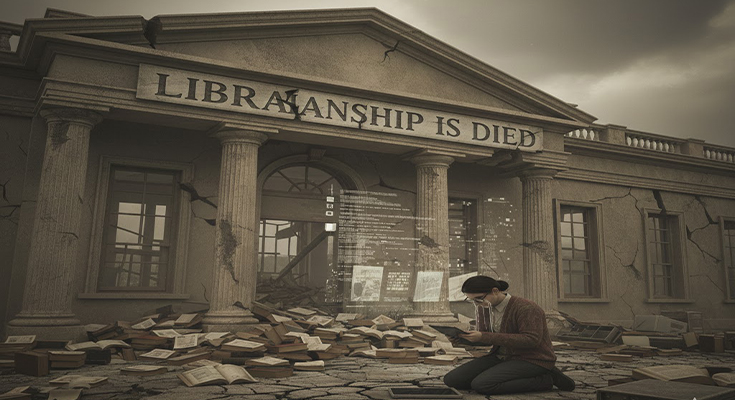
Let’s address the elephant in the room. You’ve probably heard someone say it with confidence, maybe even a hint of smugness: “Librarianship is dead.” It sounds dramatic, final, and oddly convincing in a world dominated by Google, AI, and smartphones. But is it true? Or is it just another case of confusing transformation with termination?
This article performs a careful autopsy of that bold claim. Spoiler alert: librarianship isn’t dead. It’s just been seriously misunderstood.
The Origin of the “Librarianship Is Dead” Narrative
The death rumor didn’t start overnight. It crept in quietly with the rise of search engines, digital databases, and instant access to information. When people realized they could “just Google it,” the role of librarians was suddenly questioned.
The problem? People equated access to information with understanding information. That’s like assuming owning a stethoscope makes you a doctor.
Why This Claim Keeps Resurfacing
Every major technological shift brings panic. When print replaced manuscripts, when calculators entered classrooms, and when e-books appeared, the same funeral bells rang. Librarianship just happens to be the latest target.
Change makes people uncomfortable. Declaring something “dead” is easier than understanding how it has evolved.
Understanding Librarianship Beyond Books
Traditional Perceptions vs Modern Reality
Ask a random person what a librarian does, and you’ll likely hear: “Issues books and tells people to be quiet.” That outdated image is doing serious damage.
Modern librarians manage digital repositories, research data, metadata standards, institutional archives, and information literacy programs. Books are just one piece of a much larger puzzle.
The Librarian Stereotype Problem
Stereotypes age badly. The quiet, glasses-wearing librarian image belongs in a museum. Today’s librarians are trainers, technologists, researchers, and digital strategists rolled into one.
A Brief History of Librarianship
From Clay Tablets to Printed Books
Librarianship didn’t begin with libraries as buildings. It began with the need to organize knowledge—whether on clay tablets, papyrus, or parchment. The mission has always been the same: preserve, organize, and provide access.
The Birth of Modern Libraries
With the printing press came an information explosion. Libraries became essential infrastructures for learning, and librarians became the architects of order in chaos.
Librarians as Knowledge Custodians
For centuries, librarians have been guardians of human memory. That responsibility hasn’t disappeared; it’s expanded.
The Digital Disruption
Internet, Google, and the Death Myth
Google didn’t kill librarianship. It changed the battlefield. Information is everywhere, but misinformation is everywhere too. Librarians now fight a different war: credibility, authenticity, and relevance.
“Everything Is Online” — Is It Really?
Short answer: no. Much of the world’s scholarly content sits behind paywalls, databases, and archives that require expert navigation. Librarians are the keys to those locked doors.
Autopsy Begins: Examining the Claim
What Does “Died” Actually Mean?
When people say librarianship is dead, they usually mean it doesn’t look the way it used to. But by that logic, medicine died when X-rays were invented.
Misinterpretation of Change as Death
Evolution isn’t extinction. Caterpillars don’t die; they become butterflies. Librarianship has simply entered its butterfly phase.
The Evolution, Not Extinction, of Librarianship
Librarians as Information Navigators
In a sea of data, librarians are navigators. They help users avoid drowning in irrelevant, unreliable, or biased information.
From Gatekeepers to Guides
The role has shifted from controlling access to enabling discovery. Librarians now empower users instead of policing shelves.
Technology and Librarianship
Automation, AI, and Library Systems
Library management systems, AI-powered discovery tools, and digital catalogs didn’t replace librarians. They amplified their reach.
Librarians Working With Technology, Not Against It
Think of technology as a power tool. In untrained hands, it’s dangerous. Librarians are the trained professionals who know how to use it effectively.
Academic Librarianship in the 21st Century
Research Support and Scholarly Communication
Academic librarians guide researchers through plagiarism checks, citation management, journal selection, and research impact measurement.
Data Management and Open Access
With the rise of open science, librarians now manage research data, institutional repositories, and compliance with global publishing standards.
Public Libraries: Still Alive and Thriving
Community Centers in Disguise
Public libraries have become community hubs offering workshops, internet access, career counseling, and lifelong learning opportunities.
Digital Literacy and Social Inclusion
From teaching seniors how to use smartphones to helping students evaluate online sources, public librarians are frontline educators.
Special Libraries and Corporate Information Centers
Knowledge as a Competitive Advantage
Corporations rely on librarians for market intelligence, patent searches, and competitive analysis.
Librarians in Non-Traditional Roles
Job titles may change—knowledge manager, information analyst—but the core expertise remains librarianship.
Skills Modern Librarians Must Have
Beyond Cataloging and Classification
Metadata standards, digital preservation, research analytics, and copyright knowledge are now essential skills.
Soft Skills, Tech Skills, and Strategic Thinking
Communication, adaptability, and continuous learning define the modern librarian more than ever.
Why the “Death” Narrative Is Harmful
Impact on Students and New Professionals
Telling students a profession is dead discourages talent and innovation. Ironically, that’s what actually harms the field.
Policy and Funding Implications
Decision-makers who buy into the myth are more likely to cut funding, weakening institutions that society still desperately needs.
Librarianship in Developing Countries
Unique Challenges and Opportunities
In developing regions, librarians bridge digital divides and support education systems under pressure.
Case for Countries Like Pakistan
Here, librarianship is not dying—it’s evolving rapidly, especially in academic and digital library environments.
The Future of Librarianship
Reinvention as a Survival Strategy
The profession survives by adapting, learning, and leading change rather than resisting it.
Librarians as Knowledge Architects
The future librarian designs information ecosystems, not just shelves.
Conclusion
Librarianship isn’t dead. It’s alive, adaptive, and more relevant than ever. The claim of its death says more about misunderstanding than reality. If anything, in an age of misinformation and overload, librarianship is not just alive—it’s essential.